
The Mental Health Commission (MHC) has today launched new guidance aimed at strengthening the quality, safety and accessibility of mental health services for adults and children with intellectual disabilities. The guidance places a strong emphasis on building staff and service capacity, improving outcomes, and supporting services to move beyond minimum legal requirements towards a culture of excellence in care.
Developed by the MHC following an evidence review and a public consultation with the support of a range of key stakeholders – including people with lived experience – the guidance sets out clear expectations for staff and services to ensure that people with intellectual disabilities receive equitable, person-centred and rights-based mental health care.
The purpose of this guidance is to support staff in delivering care and treatment to individuals with co-occurring mental ill-health and intellectual disabilities across all mental health service settings for adults and children, including inpatient units, community residences and community-based services. It promotes a person-centred approach that upholds and protects human rights, ensuring that care is inclusive, responsive and respectful of individual needs. In doing so, the guidance supports services to continually build their capability, enhance professional confidence, and embed practices that lead to better outcomes for individuals and families.
Ultimately, the expectation is that the guidance will support consistent, high-quality care across services; strengthen clinical practice and decision-making; and improve service users’ experiences and outcomes.
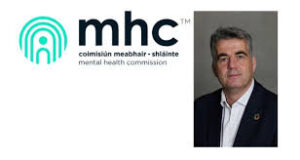
The Chief Executive of the Mental Health Commission, John Farrelly pictured above, said: “This guidance provides an evidenced-based framework for services and staff to ensure adults and children with intellectual disabilities receive high-quality, safe and effective mental health care. It is designed to build capacity within services, strengthen professional practice, and support teams to deliver care that aspires to excellence. The guidance addresses a number of challenges identified by the MHC through our regulatory, monitoring and quality assurance work with services that are delivered to people with intellectual disabilities.
“This guidance is needed because evidence shows that the provision of mental health care to people with intellectual disability presents particular challenges. These include ‘diagnostic overshadowing’, where symptoms of mental illness can be mistakenly attributed to the person’s disability; a need for improved specialist training; accessible information; and increased integration between primary care, disability and mental health services.”
The Director of Regulation at the Mental Health Commission, Gary Kiernan, said: “Supporting children and adults with intellectual disabilities in mental health settings requires skilled, responsive and well‑coordinated services. This new MHC guidance is designed to build capacity across the sector so that staff are equipped with the knowledge, confidence and tools needed to deliver high‑quality, person‑centred and rights‑based care.
“The guidance includes clear care pathways to ensure timely access to appropriate services; the use of accessible information and communication supports; robust multidisciplinary assessment processes; stronger collaboration between community, primary care, disability and specialist mental health services; and ongoing quality improvement mechanisms within services.
“To support implementation, we have introduced a new online training resource for mental health staff and we encourage service providers to incorporate this training as part of their training requirements.”
Mr Kiernan also welcomed the emphasis on a human rights approach to care, improved communication, reducing restrictive practices and enhanced medication practices.
“The themes that are covered in our guidance and training address key barriers and challenges which can result in poor mental health outcomes for people who have an intellectual disability. As a regulator we want to provide resources and direction so that services are equipped to address these challenges and move towards a culture of continual improvement and excellence.”
The new guidance – which is being published today with a practical digital training tool, and an easy-to-read version of the guidance so that people with intellectual disabilities can clearly understand the standard of care and treatment they should expect – can be accessed on the MHC website at this link: Guidance for staff providing mental health services to persons with intellectual disabilities.